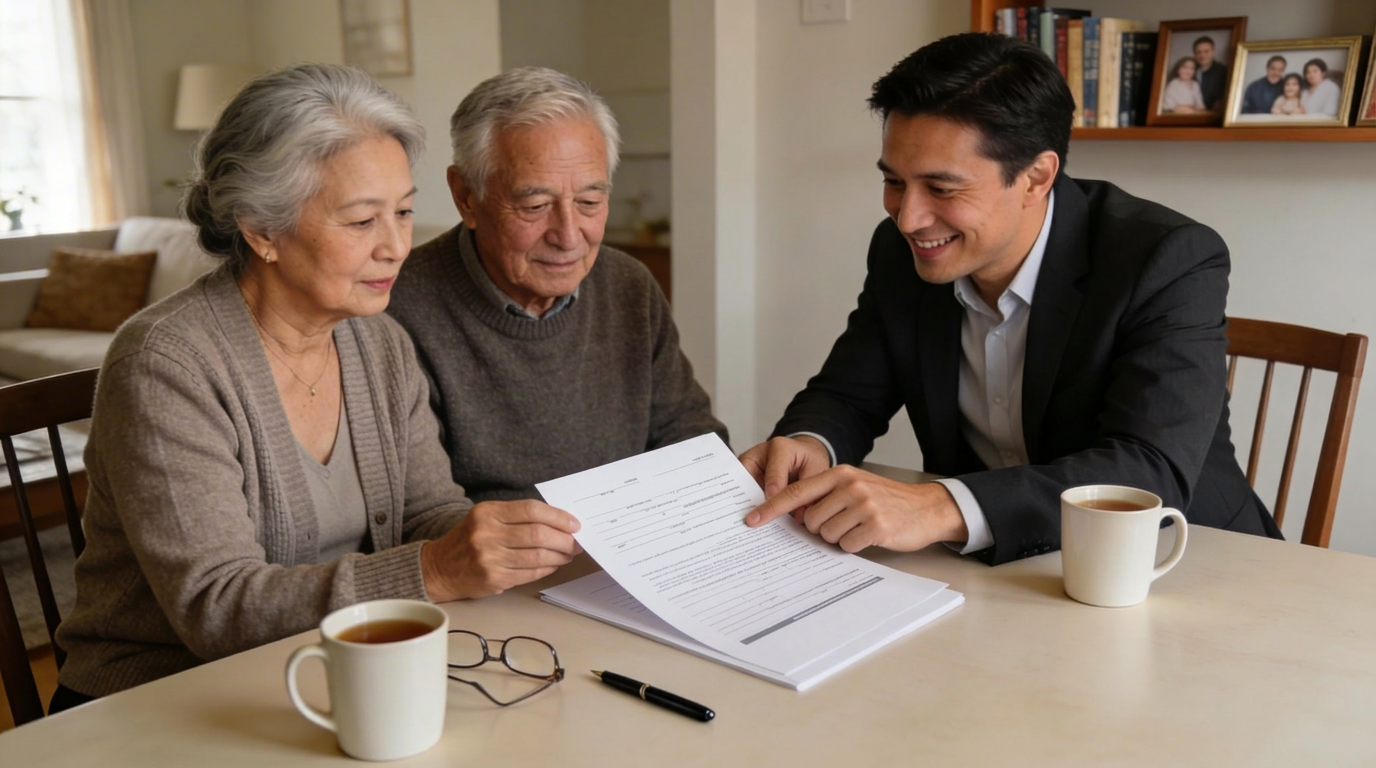
Planning Ahead in Georgia: How to Protect Your Home and Prepare for Life’s Next Chapter
Let’s discuss How to Protect Your Home and Prepare for Life’s Next Chapter in Georgia. Most families don’t avoid planning next stages for aging couples because they’re irresponsible. They avoid it because it feels uncomfortable. Talking about death, incapacity, probate, or selling the family home can feel heavy.

But here’s the truth: the best decisions are made when emotions are calm and options are still open. Having these conversations and writing out a plan is best done before any life issues come about.
For Georgia homeowners — especially those 55 and over — your home is likely your largest asset. Whether you are planning ahead as a couple or navigating life after the loss of a spouse, understanding how ownership, probate, and housing decisions work protects both your peace and your equity.
Part One: Steps to Take Before Anything Happens
If you are married and own property together, there are a few critical areas you should review now — not later.
1. Confirm How Your Home Is Titled
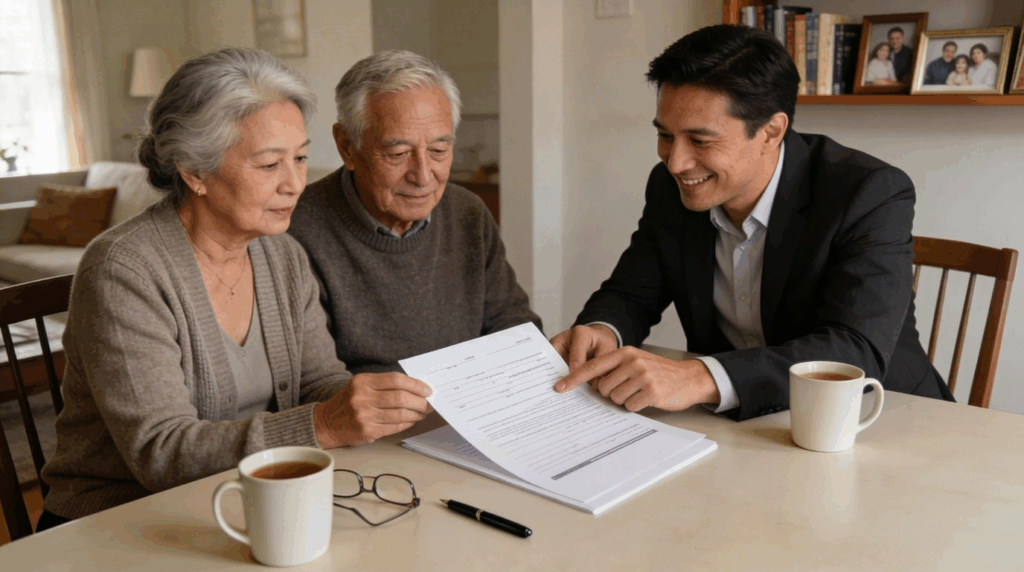
Do not assume the home “just goes” to the surviving spouse. Pull your deed and verify ownership structure. In Georgia, common forms include:
- Joint Tenants with Right of Survivorship
- Tenants in Common
- Sole Ownership
- Property held in a Trust
If the home is held with right of survivorship, ownership typically transfers automatically to the surviving spouse. If not, probate may be required before the home can be sold.
One small detail on a deed can determine months of legal process.
2. Update Estate Planning Documents
At minimum, couples should have:
- A current Last Will and Testament
- A Durable Power of Attorney
- An Advance Healthcare Directive
- Updated beneficiary designations
Some families also benefit from establishing a trust to simplify transfer of assets and reduce probate exposure. The goal isn’t complexity — it’s clarity.
Planning ahead reduces confusion for your spouse and your children later.
3. Organize Financial and Property Records
In many households, one spouse handles most financial matters. When that person passes, the surviving spouse may not know where to begin.
Create one clearly labeled location (physical and digital) that includes:
- Deed and mortgage information
- Property tax records
- Insurance policies
- Bank and investment account details
- Contact information for your attorney, CPA, and financial advisor
This step alone can prevent panic in an already emotional season.
4. Have the “Stay or Sell” Conversation Now
This conversation is uncomfortable — and necessary.

Ask each other:
- Would this home feel manageable for one person?
- Is the maintenance realistic?
- Would downsizing make life easier?
- Would moving closer to children be preferred?
You are not locking in a decision. You are creating clarity so that if one spouse is left making the decision alone, they do not carry unnecessary guilt.
Part Two: Guidance for the Surviving Spouse
If you are reading this after losing your spouse, slow down.
You do not have to make permanent decisions immediately.
The First 30 Days: Focus on Stability
Your priority is protection, not major change.
- Obtain multiple certified death certificates
- Notify insurance (but do not cancel coverage)
- Continue mortgage payments if applicable
- Secure the property
- Avoid signing quick-sale contracts
Investors often target grieving homeowners with “easy” offers. Quick is not always wise.
30–90 Days: Clarify Legal Authority
Now it’s time to determine:
- How was the property titled?
- Does it transfer automatically?
- Is probate required?
- Do you have authority to sell?
If probate is necessary in Georgia, the court must appoint an executor and issue authority before a sale can proceed. Probate can take several months, but it is a structured process — not a crisis.
An estate attorney can help you understand your timeline.
The Big Question: Stay or Downsize?
This decision is rarely just financial.
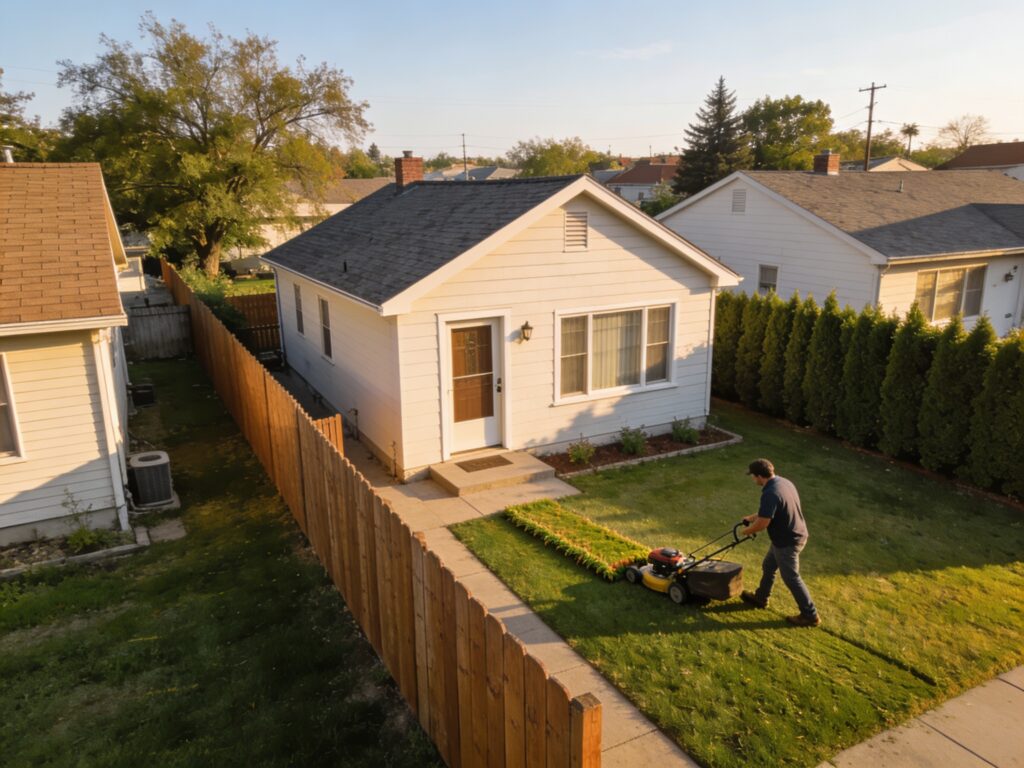
Many surviving spouses wrestle with questions like:
- Is this house too much to manage alone?
- Is most of my wealth tied up in home equity?
- Would downsizing free up funds for retirement or healthcare?
- Would a smaller home or active adult community reduce stress?
For some, the home provides comfort and stability. For others, it becomes overwhelming. There is no universal answer — only the one that protects your long-term well-being.
What About the Mortgage?
Even if the loan was solely in your spouse’s name, federal protections generally allow a surviving spouse to continue making payments and remain in the home.
The key is communication — not avoidance. Do not stop paying without understanding the consequences. Contact the lender and gather accurate information.
Fear grows in silence. Facts reduce it.
If You Decide to Sell
When selling becomes the right step, strategy matters.
Homes owned for decades require a different approach than recently renovated homes. Instead of rushing into major upgrades, focus on:
- Gradual decluttering
- Addressing safety or structural concerns
- Professional pricing guidance
- Comparing multiple offer options
Be cautious with “as-is” cash buyers. Convenience often comes at the cost of equity.
You worked for decades to build that equity. Protect it.
The Bottom Line
The best time to plan is while the choice is still yours.
If you are a couple, preparation now prevents confusion later.
If you are a surviving spouse, clarity replaces pressure.
Real estate decisions tied to life transitions should never be rushed. They should be informed, steady, and aligned with your long-term goals.
You do not have to navigate this season alone — and you do not have to make decisions in crisis mode.
Fill out the form below to receive your free Guide for planning ahead and get your plans in place before there is an emergency and the pressure is on.
About the Author
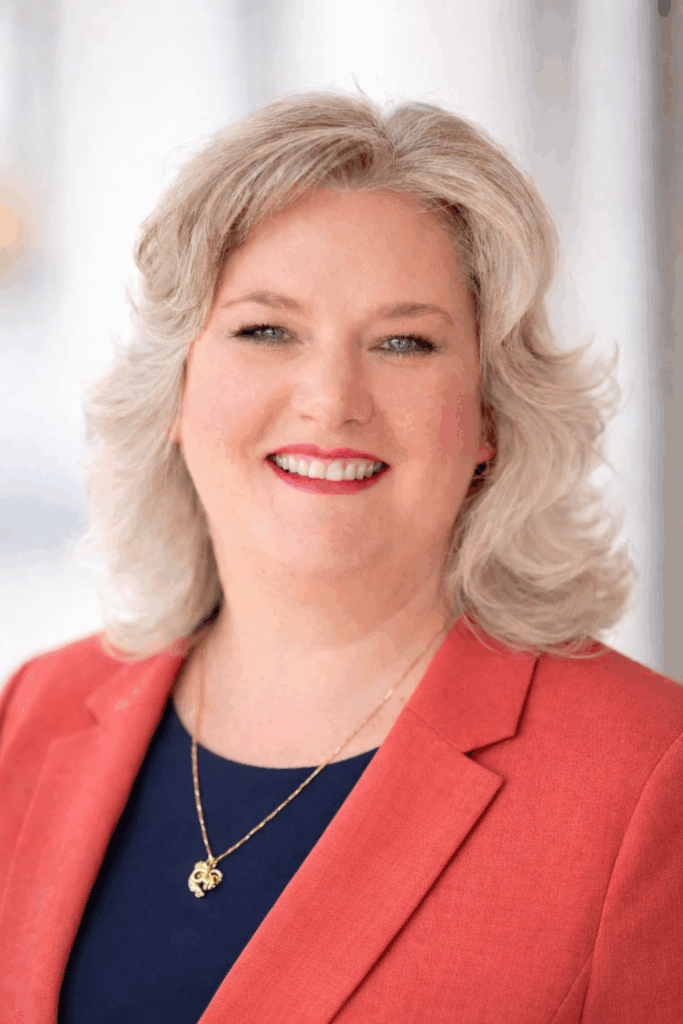
Patti Loveless is a Georgia and Alabama Real Estate Agent and Associate Broker with over a decade of experience guiding clients and their loved ones through some of life’s most important transitions. Since 2014, she has helped homeowners navigate downsizing, probate and estate sales, rural relocations, and the sale of long-owned homes with clarity and confidence.
With more than $30 million in career sales volume and consistent recognition as a top producer in both transactions and volume, Patti is known for her steady leadership, strong contract knowledge, and strategic approach to protecting her clients’ equity.
Her passion for serving families in transition is deeply personal. After serving as executor of her own mother’s estate—and experiencing firsthand what poor representation feels like—Patti committed to becoming the kind of advisor who educates, protects, and walks beside her clients every step of the way. She understands the emotional and financial weight that comes with major life changes, especially when selling a home tied to decades of memories.
Patti specializes in homes with land, rural properties, estate and probate sales, pre-foreclosure situations, and helping homeowners prepare for their next season of life. She works closely with a trusted network of probate attorneys, elder law professionals, lenders, and contractors to ensure her clients are supported beyond just the real estate transaction.
Her mission through the Home, Heirs & Equity educational platform is simple: to help homeowners plan wisely, protect what they’ve built, and move forward with peace of mind.
When she isn’t serving clients, Patti enjoys time with her husband RJ, her children and grandchildren, cooking, reading, fishing, and visiting St. George Island, Florida.
To connect with Patti or learn more, visit www.CynosureRealtyGroup.com or call/text 678-910-5217.